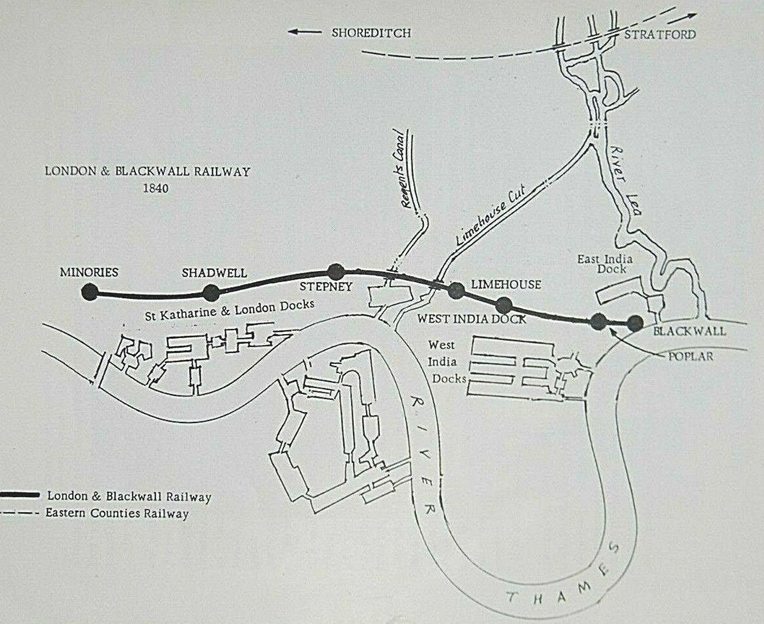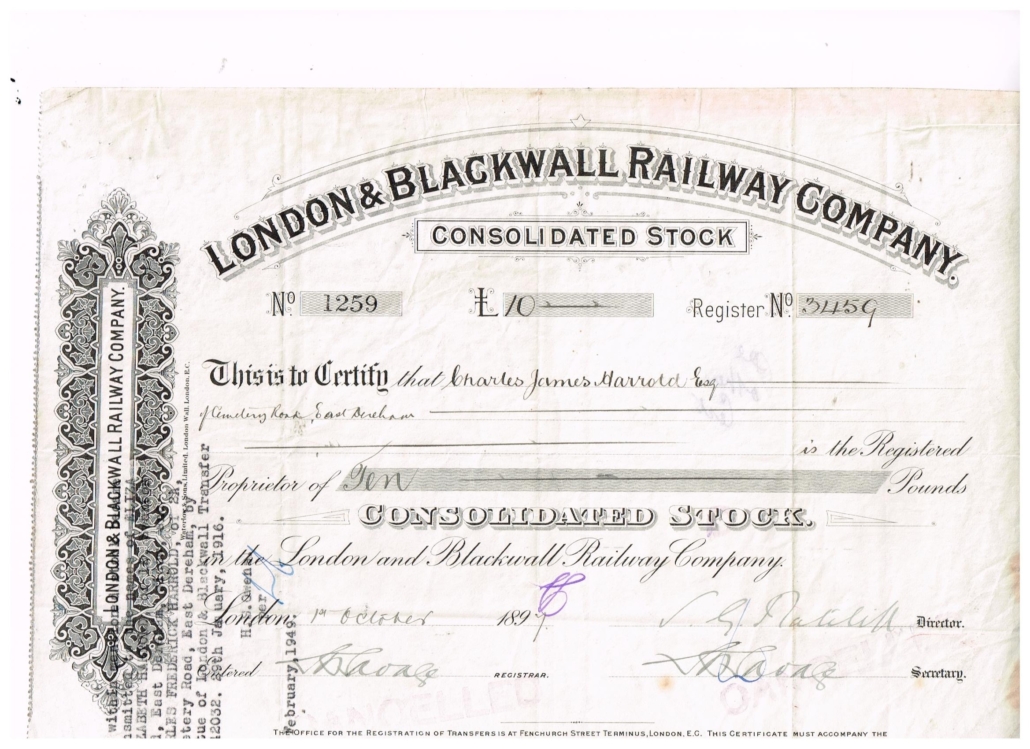
The London and Blackwall Railway, initially known as the Commercial Railway, was a significant development in the history of London’s transport infrastructure, connecting the City of London with its port at Blackwall. Its innovative use of cable technology and distinctive operational features marked it as a unique railway for its time.
Establishment and Early Operations
-
Opening: Officially opened on 4 July 1840, running between the Minories in the City of London and Blackwall, which was then the principal port of London.
-
Inauguration: Construction was overseen by engineer William Cubitt, and the inaugural journey was attended by the Lord Mayor of London, Thomas Johnson.
-
Passenger Service: Opened to the public on 6 July 1840, two days after its official opening.
-
City Extension: Extended into the heart of the City to Fenchurch Street on 2 August 1841.
Unique Features and Operations
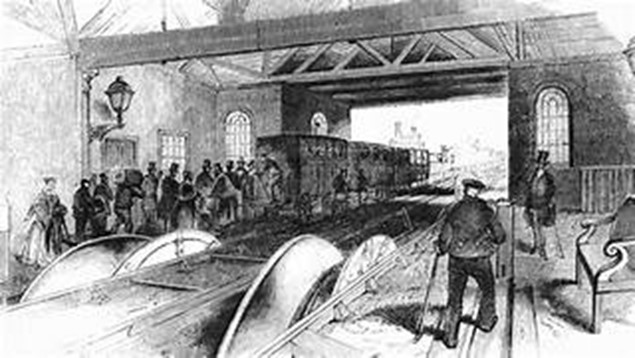
The railway operated entirely by means of stationary engines pulling cables, enabling carriages to be hauled in both directions. The company also owned three paddle steamers that sailed directly from the newly constructed Gravesend Pier.
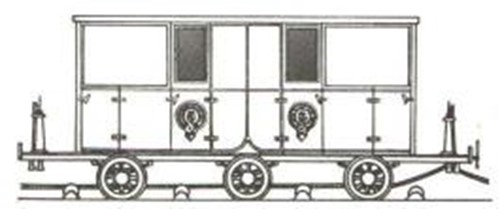
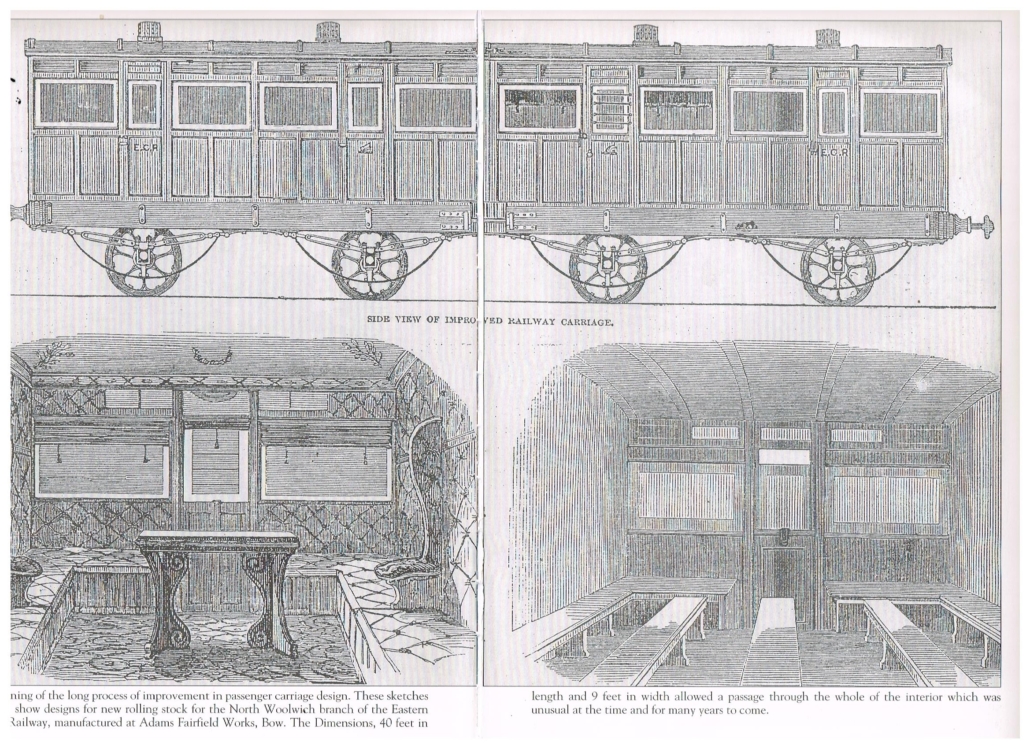
Carriages were six-wheeled and measured between 18 and 20 feet in length. They featured ornate compartments for first-class passengers alongside second-class sections reminiscent of cattle vans.
The Slip Coach System
A distinctive operational method involved slip coaches:
-
As a train approached an intermediate station, the rear coach detached and coasted to a stop.
-
This coach remained at the station until the main train picked it up on its return journey.
-
The lead carriage picked up slip coaches at each intermediate station en route to the terminus.
This clever system allowed the continuous cable rope mechanism to run without stopping the main line; however, it meant passengers could not travel directly between intermediate stations.
Technical Details
-
Track Gauge: Built initially to a unique gauge of slightly over five feet (5 ft ½ in).
-
Engine Houses: Located at both ends of the line, each containing two steam engines. The Minories engines were supplied by Maudslay, Sons & Field, while those at Blackwall were produced by Barnes & Miller.
-
Cable Evolution: The original hemp rope was 5¾ inches in circumference, but frequent snapping led to its replacement with a wire cable.
-
Fares & Nickname: After early fare adjustments, the cost was standardized at four pence, earning the line the nickname “The Fourpenny Rope.”
-
Signaling: An early electric telegraph system devised by Cooke and Wheatstone was installed to signal train readiness between the two ends of the line.
Development and Transition
In 1849, the line was extended from Stepney to connect with the Eastern Counties Railway at Bow. Significant changes followed in the mid-19th century:
-
1850: Switched from cable operation to conventional steam locomotives, converting the track to standard gauge (4 ft 8½ in).
-
1854: The London, Tilbury and Southend Railway assumed control under a joint venture with the London and Blackwall Railway and the Great Eastern Railway.
-
1871–1872: Extended south to Millwall and through the Isle of Dogs to North Greenwich (near present-day Island Gardens).
Closure
Following the 1923 grouping of British railway companies, control passed to the London and North Eastern Railway (LNER) in 1926. Facing severe competition from London’s expanding electric railway network and motor omnibuses, passenger numbers fell steeply.
Passenger services permanently ceased on 3 May 1926, marking the end of the London and Blackwall Railway’s active passenger era.