Origins and Development of Carless
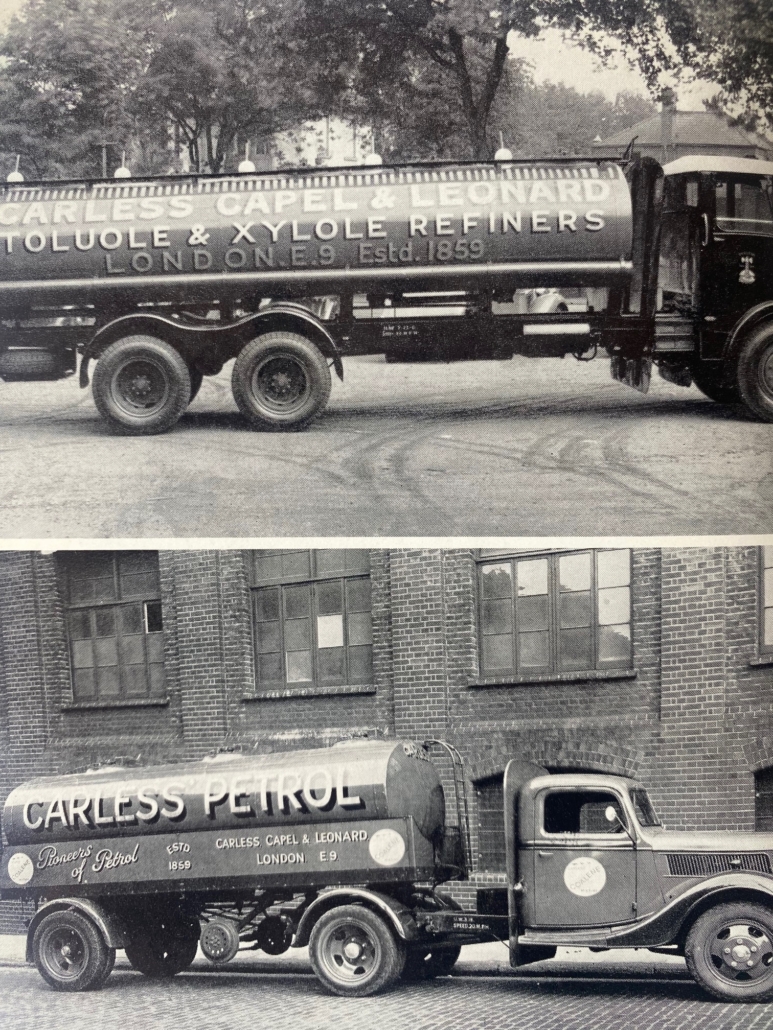
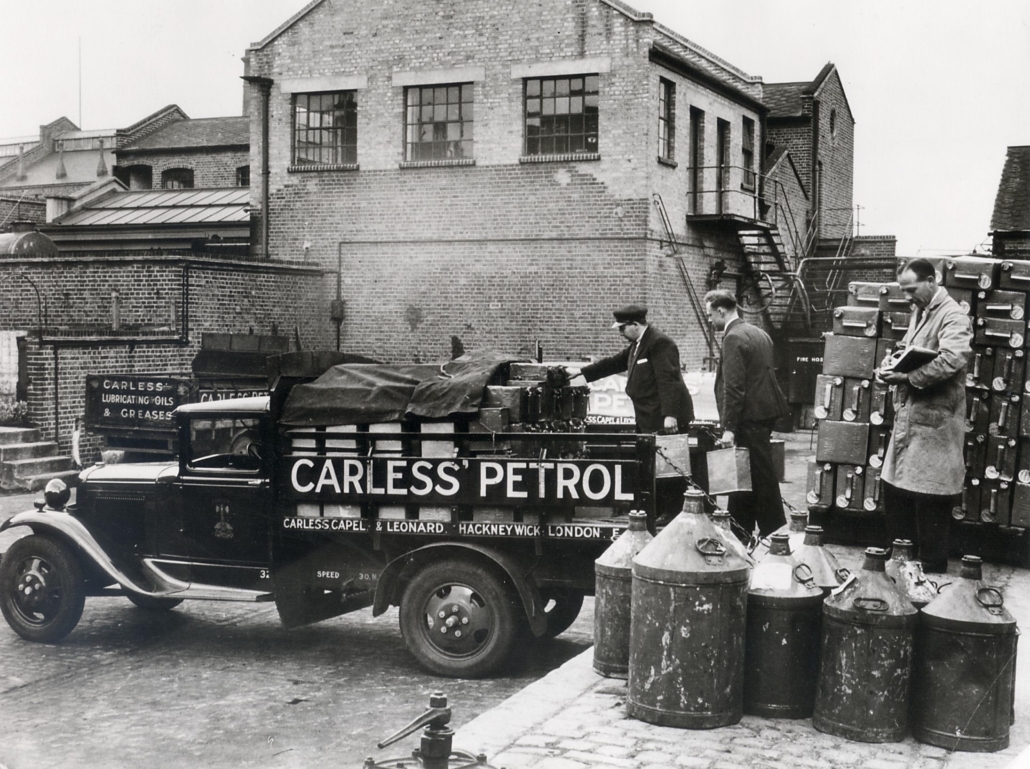
Eugene Carless founded Hope Chemical Works in 1859, establishing a distilling and oil refining business at Hackney Wick, London. The company’s reputation grew rapidly after Carless partnered with William George Blagdon in 1860.
This partnership lasted a decade, and when it ended, Carless emerged as Britain’s foremost distiller of newly imported American crude oil. The company also advanced its refining techniques for coal tar and shales, producing key products including benzoline, paraffin oil, burning naphtha, and carburine.
Key Partnerships and Innovations: Capel & Leonard
In 1870, Carless formed a short-lived partnership with George Bligh Capel, which ended in 1872. Subsequently, Capel allied with John Hare Leonard, trading as Carless, Capel & Leonard, with Carless remaining as works manager. Within 18 months, Leonard became the sole owner.
The company was noted for its key inventions, such as the carburettor, and continued to expand its operations and product portfolio.
The Emergence of Petrol
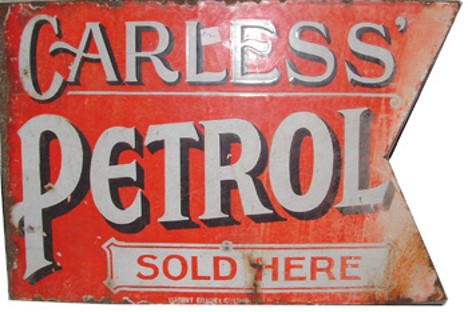
A fire in 1890 severely damaged the Hope works, but the site survived. In 1893, Frederick Simms suggested the trade name “Petrol” for a motor launch spirit, which William John Leonard accepted.
Despite the Registrar’s refusal to register ‘Petrol’ as a trademark—deeming it a generic term—Carless, Capel & Leonard played a pivotal role in developing both the name and the mixture known as ‘Petrol in the Lea Valley’. Their work was instrumental in establishing the widespread use of both the term and the product, marking a significant milestone in fuel history.
Note: Petroleum is the raw, unrefined crude oil, while petrol is the processed product for car engines.
Expansion and Product Range
In 1895, Leonard negotiated the purchase of Pharos Chemical Works from Leon Clerc, broadening the company’s scope as a refiner, distiller, and importer of petroleum and other products. By May 1899, Carless, Capel & Leonard had over 160 agents distributing motor spirit.
At the turn of the 20th century, Carless Petrol was the sole British source of highly refined motor spirit, and by 1906, the company’s agent network had grown to 1,500 across the country. Further expansion followed at Hackney Wick, including the acquisition of Lea Chemical Works in 1907.
Later Developments and Specialisations
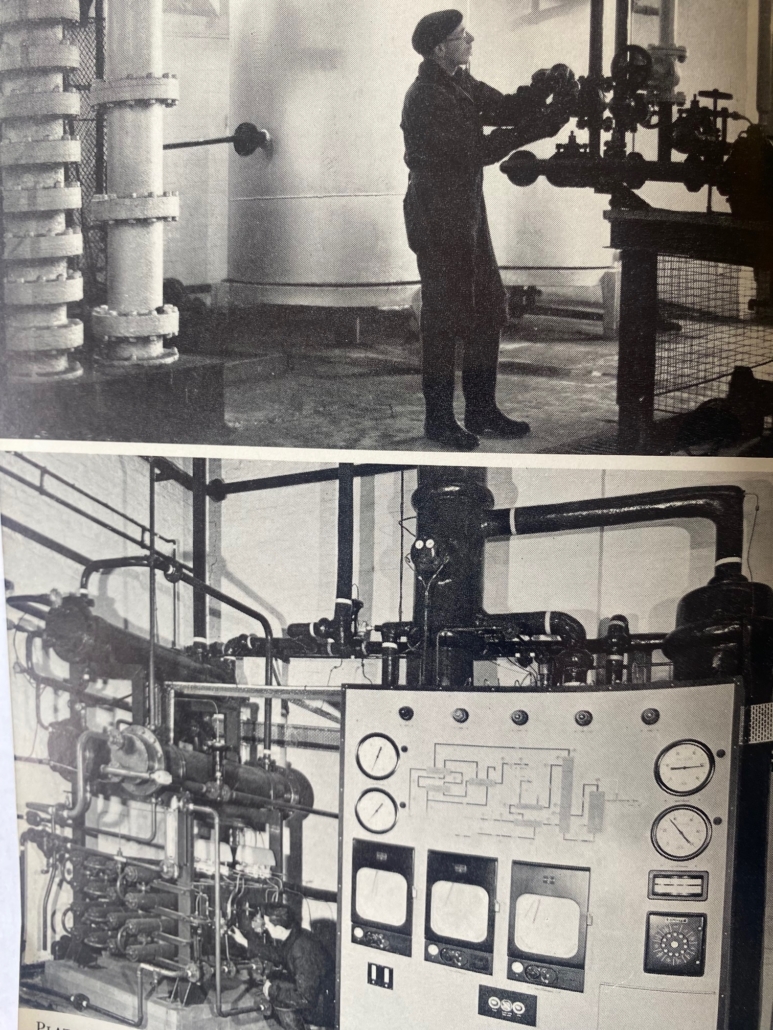
By 1914, Carless was a major importer and refiner of petroleum, gasoline, and naphtha, manufacturing a wide range of petroleum and coal tar products. These included lubricating oils, solvents, and lamp oils sold under various brand names.
In the 1920s, the Leonard family continued to play an active role, introducing new products such as Coalite’s by-products. These were supplied to the RAF as fuel from 1934 until 1939, when production ceased due to coal mining issues.
World War II and Postwar Changes
During World War II, Carless produced TNT and suffered bomb damage at the Lea works in 1940. After the war, declining fuel distribution and coal-based gas production led the company to focus on specialty spirits with high boiling points and secure its own feedstocks.
In 1948, Carless became a private firm. By 1971, John Thirlestane Leonard, great-grandson of John Hare Leonard, was Managing Director, and the company eventually became a public corporation.
Structural Changes and Corporate Expansion (1973–1989)
Carless Petroleum was established as a subsidiary in 1973, ushering in a new phase of growth. The company became involved in onshore oil and gas field operations, notably at Humbly Grove and Wytch Farm.
The early 1970s brought major operational changes:
-
Production at Hackney Wick ended.
-
Administrative functions moved from Hope Works to Petrol House (previously a dry-cleaning factory owned by Lush and Cook).
-
In 1977, Carless Petroleum relocated to Colchester.
-
Administrative offices moved to Cannon Street in 1979, and headquarters eventually settled at Long Acre in 1984.
Further transitions occurred in 1984 when Petrol House was sold, though a distribution depot remained at Bow (a site with company ties since the 1930s). Carless Solvents moved to Romford to support ongoing restructuring.
Between 1987 and 1989, Carless Lubricants expanded its market presence by acquiring four companies. In 1988, Century Power and Light was sold to Acre Oil, and Carless acquired Filtrate Ltd along with several smaller chemical companies.
Takeovers and Modern Ownership
Carless was acquired by Kelt Energy in 1988, which subsequently sold all lubricant interests—including the Filtrate plant at Knowsthorpe Gate, Leeds—to Kuwait Petroleum.
In 1989, Carless was taken over and broken up. Carless Refining and Marketing was founded as a wholly owned subsidiary of Repsol at Romford. Repsol later sold the Carless companies to Petrochem UK in 2000, forming Petrochem Carless.