William Bridges Adams was a distinguished author, inventor, and locomotive engineer, best renowned for his patented Adams Axle—a radial axle design that remained in active use on British railways until 1968. He also developed an improved carriage spring, known as the bow spring, which proved to be a major commercial success.
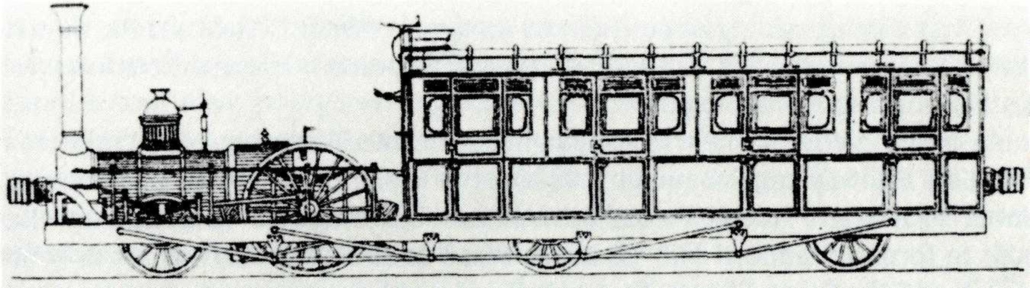
In 1842, Adams relocated his manufacturing operations from Soho to a three-acre site adjacent to the Eastern Counties Railway at Fair Field, Bow, where the firm began operating under the name Adams & Co Fairfield Locomotive Works Bow, East London. By 1843, Adams had focused his efforts on designing lightweight engines, steam railcars, and inspection trolleys, supplying these products to various railways across Britain and Ireland. Notable examples include the Fairfield steam carriage for the broad-gauge Bristol and Exeter Railway and the Enfield for the nearby Eastern Counties Railway based in Stratford.
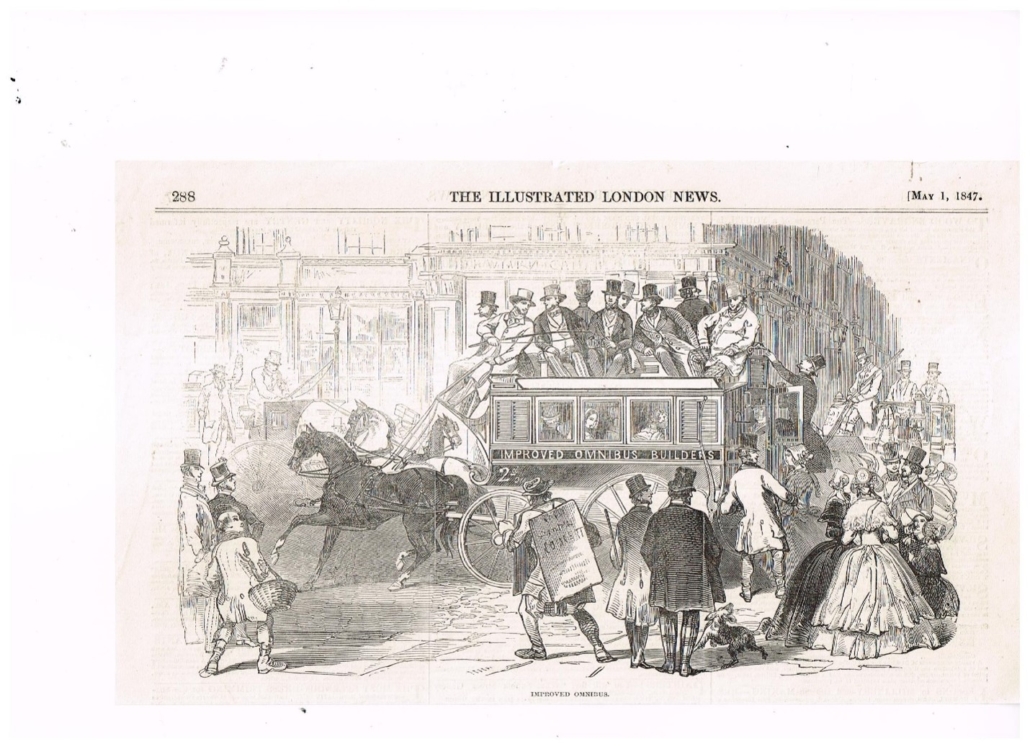
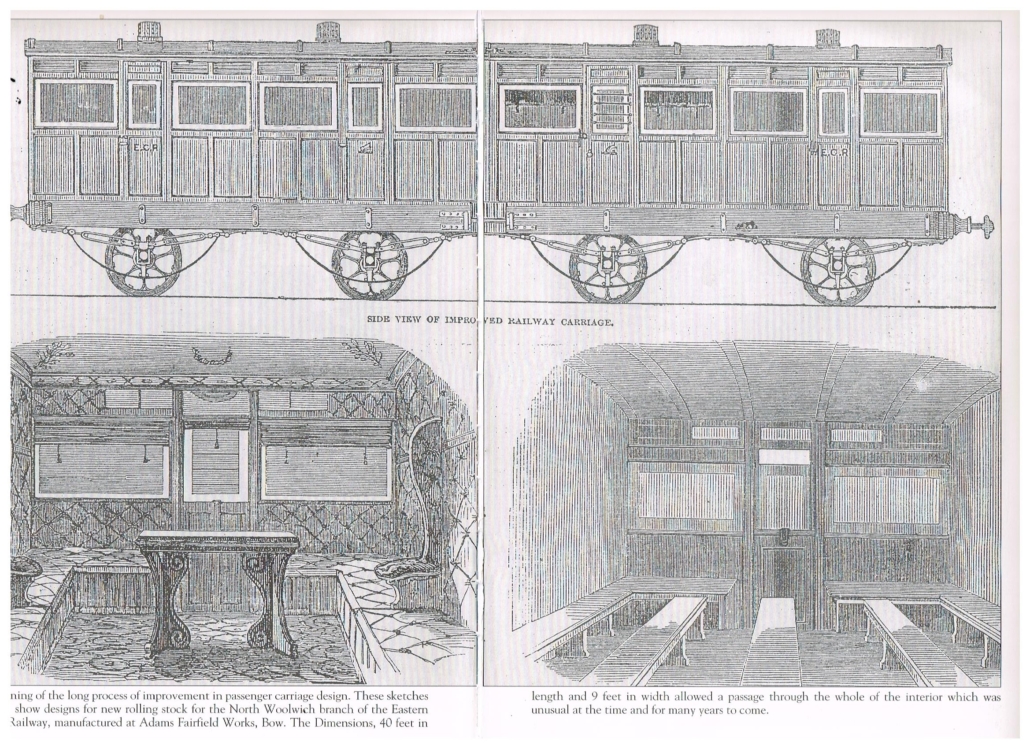
In 1847, Adams invented and patented the first railway fishplate—originally designed as an unbolted wedge between adjoining chairs. Alongside this landmark innovation, he contributed several further improvements to railway carriages and omnibuses. Although his engineering business eventually ceased operations, Adams had already successfully diversified his pursuits into both clothing design and journalism.