Lea Valley Mills
As far back as 1086 mills have been recorded in the Lea Valley. This website just pays a brief reference to just three of them. I am sure that those who are interested in this subject will establish many more.
G R Wright & Sons Ltd was founded over 150 years ago by George Wright and has been a family business ever since. They are passionate about the business and have invested heavily to ensure we have the most technically advanced operations producing the highest quality flours and mixes in the best food safety environment. The company is now based in Harlow where we opened a state-of-the-art flour milling site in 2021. We also operate a small specialist flour mill in Ponders End where the business started in 1867 and where milling has been going on since. A third site is situated at Delta Park, Enfield where we have a purpose-built blending and packing facility for the manufacture of specialist mixes which opened in 2014. Today they supply a complete range of flours and baking mixes to suit every type of business from the largest industrial food manufacturers to the small artisan bakers. Our flours are sold in bulk tankers of 29 tonnes and in pack sizes from 25kg down to 500g.
G R Wright & Sons are sponsors of this section.
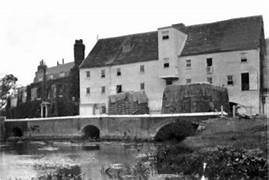
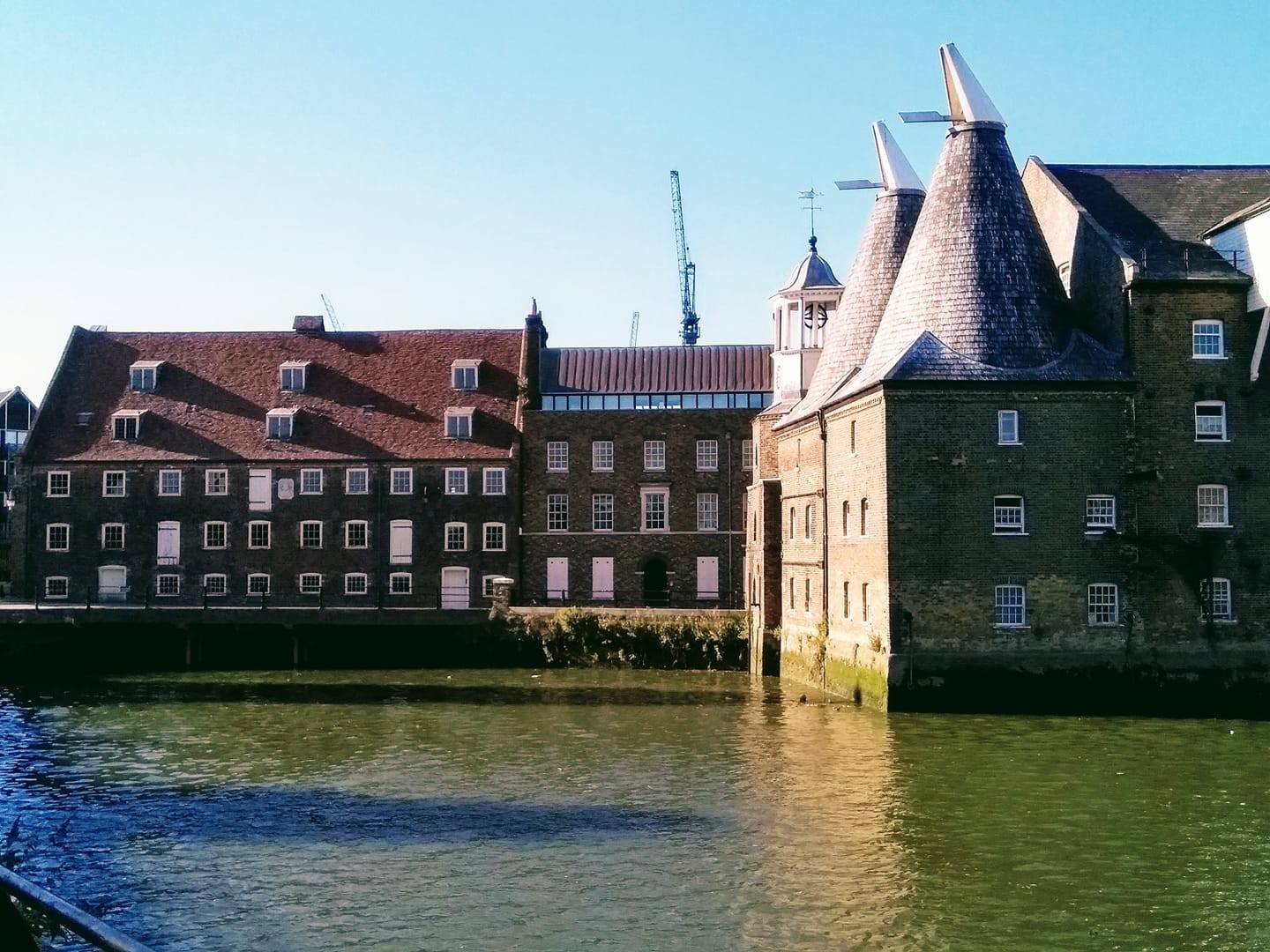
Three Mills
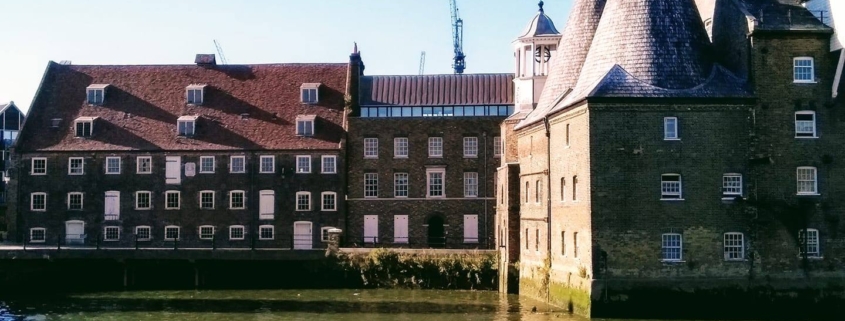
The House Mill is a grade 1 listed 18th century Tidal Mill located on Three Mille Island, a charming conservation area on the tidal River Lea. It has a long and varied history to serve the needs of London from before the Norman invasion, producing flour in the Middle Ages, gunpowder in the year of the Spanish Armada, and alcohol throughout London’s infamous gin craze. It stopped working during World War two and was saved from demolition. Today the mill is a vibrant, historical, cultural, and educational attraction.
Three Mills are members of the Lea Valley Heritage Alliance
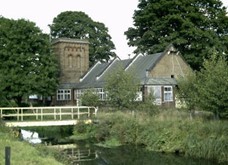
The Gunpowder Mills
The Gunpowder Mills is situated in the historic town of Waltham Abbey. In 1560 at a time of shortage of gunpowder, the water mill at Waltham Abbey, which had been used for making vegetable oil, was converted to make gunpowder and later became the first Royal Gunpowder Factory. By end of the century William Walton had acquired the mill, which was then expanded. The Waltham Abbey Mills then became an any early example of an industrialized factory system. In the 1780s the Deputy Comptroller of the Royal Laboratory at Woolwich, Sir William Congreve, advocated that the Waltham Abbey Mills should be purchased by the Crown to ensure secure supplies. In 1787 the Crown purchased the Mills from John Walton for £10,000; they were renamed the Royal Gunpowder Factory. Under Congreve, manufacturing of gunpowder moved from what had been a black art into a technology. The RDX explosive used in the famous bouncing bomb was also manufactured there along with the development of many types of rockets. Today the mill is a vibrant, historical, cultural, and educational attraction.
The Gunpowder Mills are members of the Lea Valley Heritage Alliance