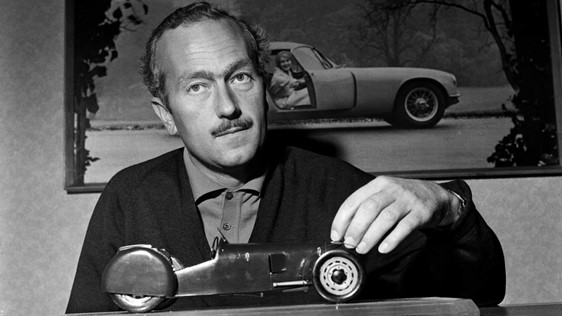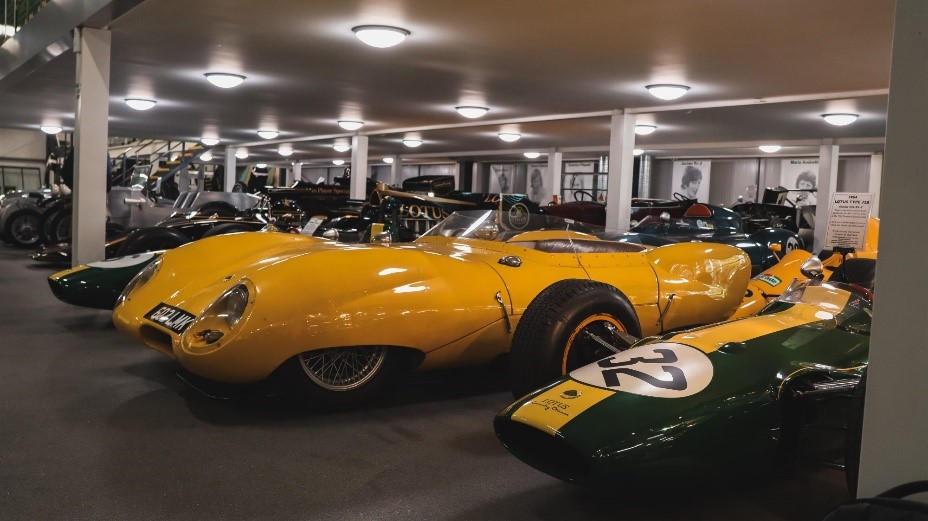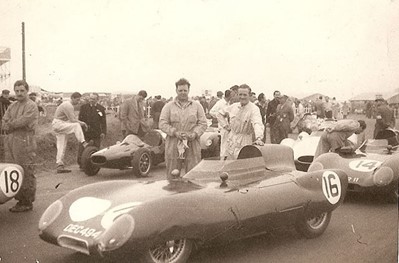
Lotus Engineering Company Cars was founded by Colin Chapman in Hornsey in 1952. The company moved to larger premises in Cheshunt in 1957, and ultimately settled into a modern factory in Hethel, Norfolk in 1966. Chapman’s expertise in aeronautical engineering fuelled his innovative approach to car design; he emphasised lightweight construction and sharp handling over simply boosting horsepower or stiffening suspensions. His philosophy was summed up in the statement: “Adding power makes you faster on the straights. Subtracting weight makes you faster everywhere.”
During Chapman’s leadership, Team Lotus secured seven Formula One Constructors’ Championships, six Drivers’ Titles, and even an Indianapolis 500 victory between 1962 and 1978. The production side of Lotus Cars went on to build tens of thousands of inventive and affordable sports cars, and notably, Lotus remains one of the few English performance car makers that survived the difficult industrial climate of the 1970s.
Beginning in 1978, Chapman worked with American entrepreneur John DeLorean to develop a stainless steel sports car for manufacturing in Northern Ireland. Funded primarily by the UK government, the project initially envisioned a mid-engine layout. However, complications regarding Wankel engine rights led to a rear-engine design, giving rise to the DMC DeLorean.
On October 19, 1982, John DeLorean was arrested by US authorities following a videotaped sting in Los Angeles, where
FBI agents caught him agreeing to finance a cocaine smuggling operation involving 100 kilograms. Following this, DeLorean Motor Cars collapsed; administrators soon discovered that £10 million of British taxpayer funds were missing—a considerable sum at the time.
Before Chapman’s death, Lotus Group’s overdue 1981 accounts were released and showed that Lotus had been compensated for engineering help from DeLorean via a Swiss company based in Panama, managed by a DeLorean distributor—contradicting Chapman’s previous denials. When Lotus accountant Fred Bushell was tried after moving £5 million to himself in the fraud, the judge noted that Chapman would likely have received “at least 10 years” if prosecuted. The car’s engineering design was later sold to Toyota, which used it for their AW11 MR2 model. Liquidators recovered close to £20 million from Swiss bank accounts held by Chapman and DeLorean.
Colin Chapman died at age 54 from a heart attack in 1982.