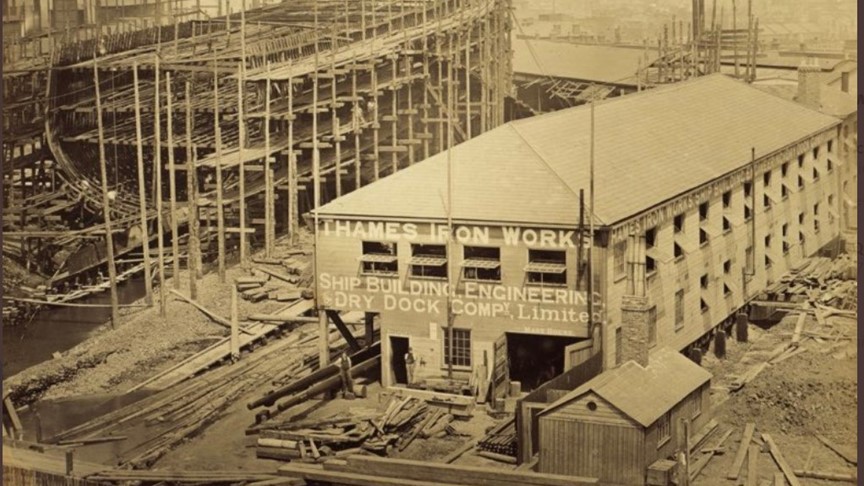
In 1856, the Thames Ironworks and Shipping Company was founded at Bow Creek. The company was previously known as C.J. Mare and Company who were forced out of business by financial difficulties.
By then many large ships had already been constructed at Bow, mainly of wood and iron.
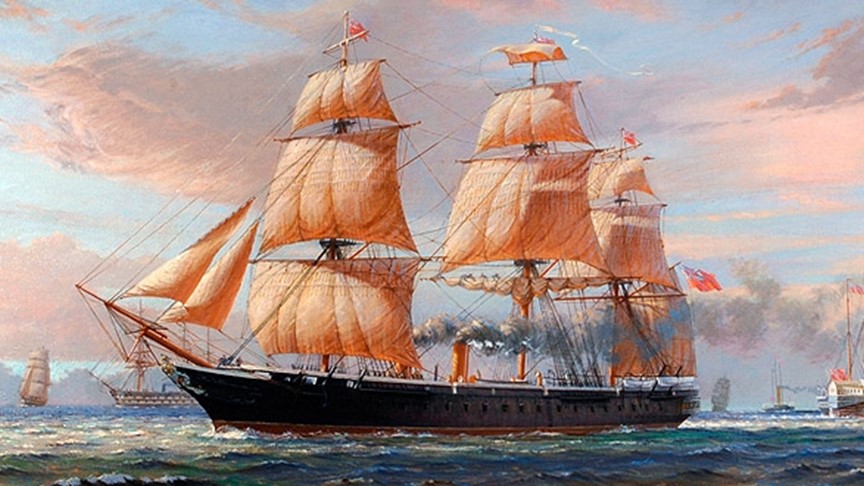
Soon after its formation, the Thames Ironworks and Shipping Company received an order from the British Admiralty to construct what was to become the largest warship afloat, and the first sea-going ironclad in the world. The vessel was powered by both sail and steam and was launched in 1860, and was named HMS Warrior, which is now preserved at Portsmouth.
It is difficult to imagine that large scale manufacturing industries such as iron works and shipbuilding were operating at the southern end of the River Lea in the 1800s.
During its heyday, marine engines, motor cars, locomotives, buses, cranes, electrical and civil engineering equipment were all produced by the company,
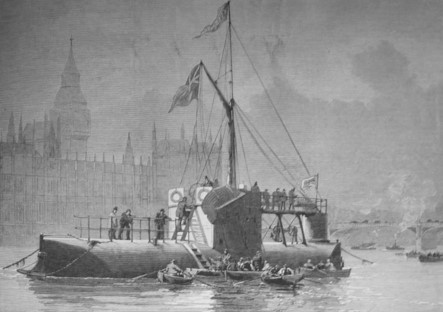
In 1877, a most unusual contract was placed with them. They were asked to construct an iron cylinder 15ft in diameter and 92 ft long to transport Cleopatra’s obelisk, or needle, from Egypt to London. The obelisk was finally erected on the Victoria Embankment next to the river Thames in 1878, were it still stands today.
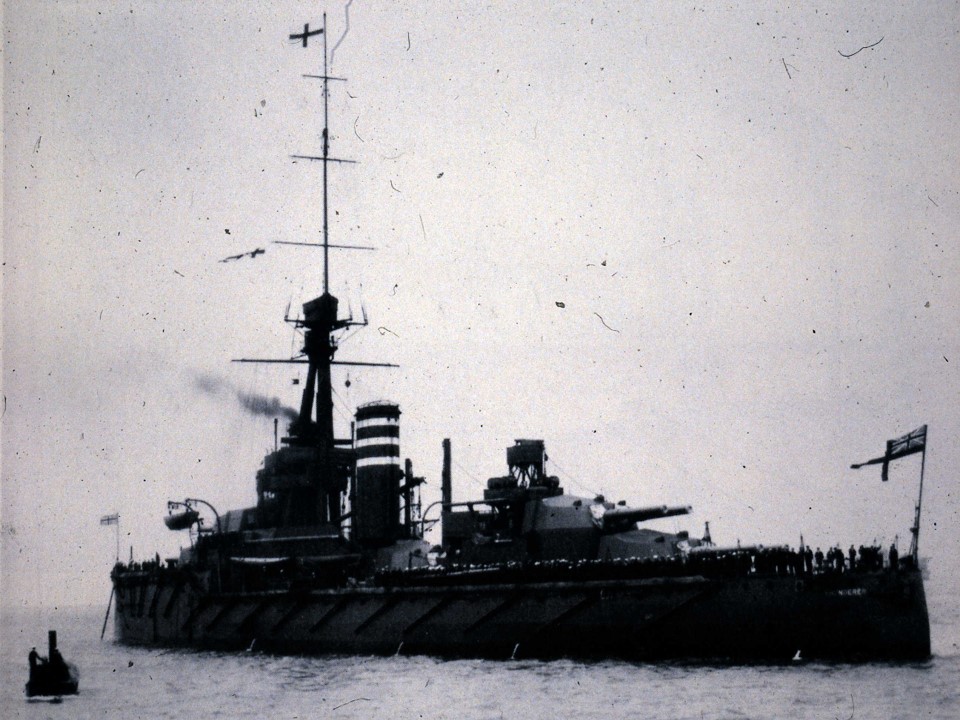
In 1912, the works closed due to a lack of orders from the British Admiralty.
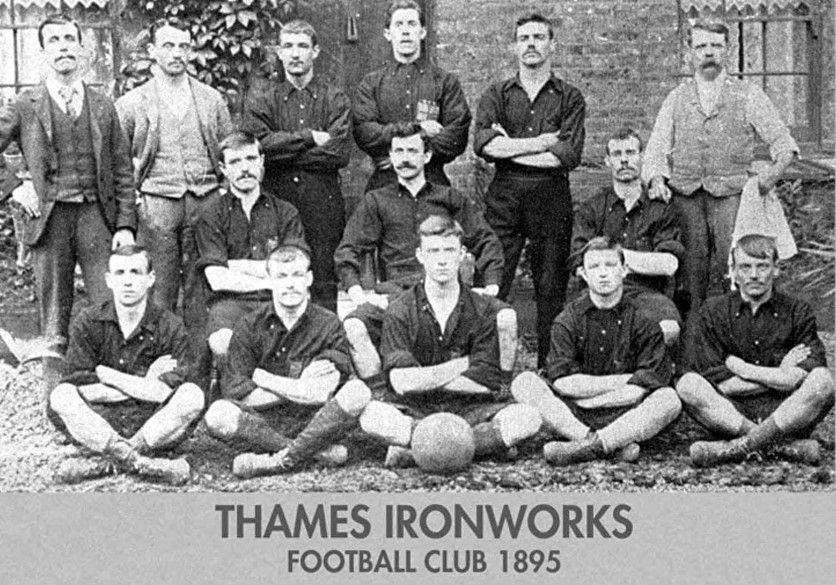
The legacy of the Thames Iron Works football team still lives on today with the Westham United Football Club.